

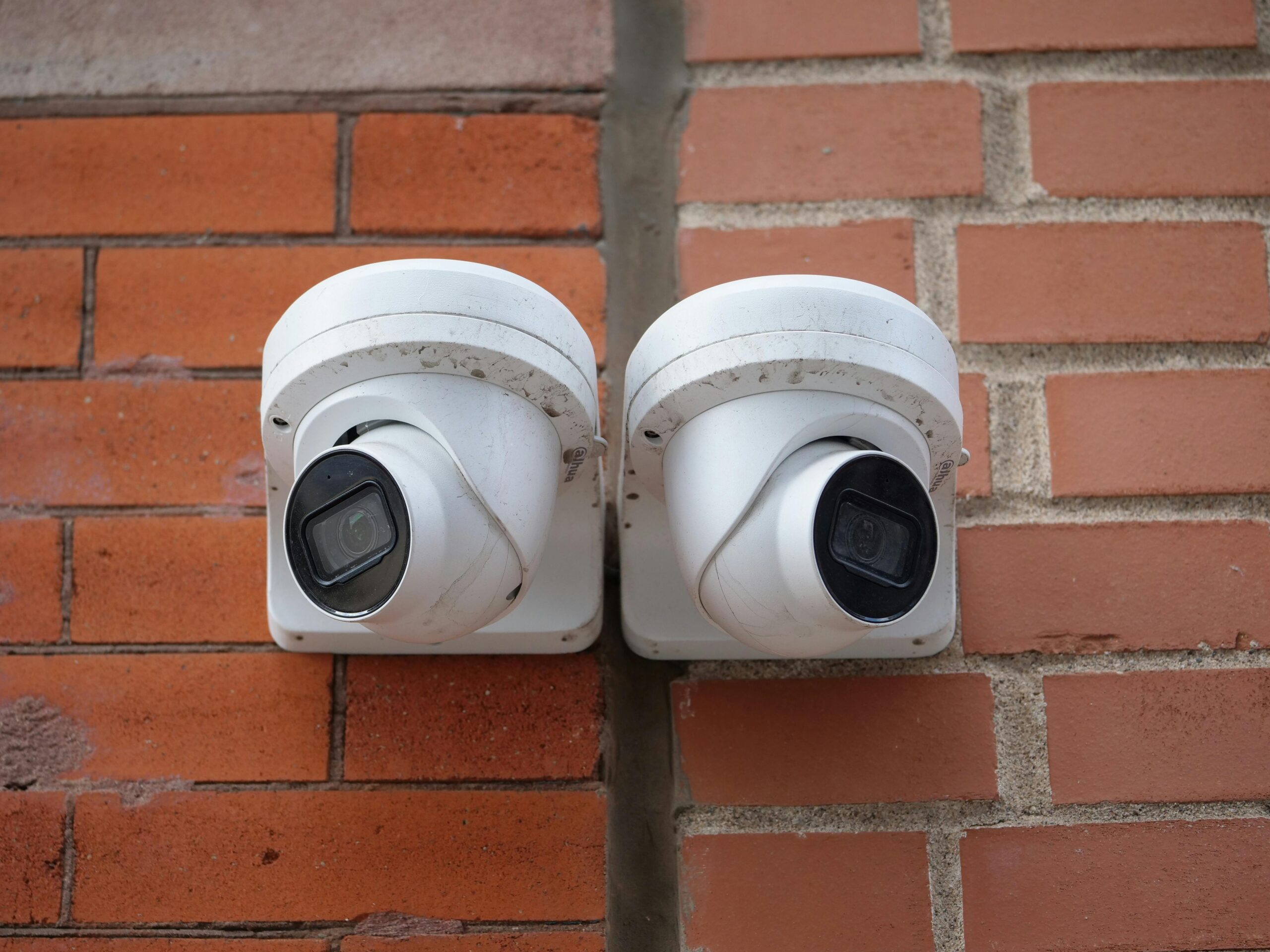
What is a wireless alarm for homes and businesses?
What is a wireless alarm? It is a security system in which the control panel, detectors and warning devices communicate without requiring wiring between every component. Its purpose is to detect an intrusion or incident and transmit the alert quickly so the user and, when connected, the Alarm Receiving Centre can act according to the agreed protocol.
This type of installation is often considered for homes, apartments, offices or small premises where the owner wants a clean, flexible system that can be adapted to the property with minimal disruption. Even so, not every building needs the same configuration. The effectiveness of an alarm depends on how the access points are assessed, where the detectors are placed, how reliable the communication is and whether the system has sufficient backup in case of cuts, interference or technical faults.
At Vian Segur, installations are approached from an initial assessment of the property, because an alarm should never be treated as a generic package. Every home or business has different vulnerable points: a main door, an accessible window, a garage, a terrace, a passage area or a storage space with valuable assets. That is why it is important to understand how a wireless solution works and when it can be the right choice.
What is a wireless alarm and how does it work?
When someone asks what is a wireless alarm, they usually want to know whether this system can protect a property as well as more traditional alternatives. The answer depends on the installation. A wireless alarm can be effective if it is correctly designed, if the devices communicate reliably with the control panel and if the condition of the system is reviewed periodically.
The system is based on a control panel that receives signals from detectors installed at strategic points in the property. These detectors can monitor door openings, indoor movement, accessible windows or specific risk areas. When a detection occurs, the control panel processes the event and sends the corresponding alert.
The main difference from a wired installation is that communication between components takes place through radiofrequency or another wireless technology. This can reduce building work, avoid visible conduits and adapt the alarm to properties where running cables is more complicated. However, that convenience must be balanced with proper technical design to reduce coverage issues, interference or tampering risks.
Main components of a wireless alarm
A wireless installation can vary depending on the type of property, but it usually includes a control panel, detection devices, warning elements, communication modules and remote management tools. The key is not to install as many devices as possible, but to place the right ones in the correct locations.
Control panel
The control panel is the core of the system. It receives information from the detectors, manages alerts, allows the alarm to be armed or disarmed and coordinates communication with the user or with the Alarm Receiving Centre when that service is active. In a professional installation, the panel must be placed securely and configured according to the real use of the property.
Motion and opening detectors
Motion detectors monitor indoor areas where an unauthorised person might pass. Opening contacts monitor doors and windows. In homes with terraces, ground floors or detached houses, it may be necessary to reinforce exterior access points or consider perimeter protection systems.
Sirens and warning devices
The siren has a deterrent and warning function. It does not replace reliable communication, but it helps expose an intrusion and may reduce the time an intruder spends inside the property.
Communication and remote management
A modern alarm should allow the user to manage the system from a mobile device, check alerts, arm or disarm the installation and review the overall status of the equipment. Vian Segur places importance on remote management because it provides convenience and control in day-to-day use, especially when the customer spends time away from home or manages a business.
Wireless, wired and hybrid alarms compared
A wireless alarm reduces the need to wire every detector. A wired alarm, on the other hand, uses physical connections between the devices and the control panel. This option usually stands out for stability, continuity of communication and lower exposure to interference. Hybrid installations also exist, combining wired sections with wireless devices when the property requires it.
In many projects, a fully or partially wired installation may be more advisable if long-term robustness is the priority. Vian Segur explains this difference clearly, because choosing an alarm is not just about initial convenience. The aim is to protect the property with a reliable, maintainable system adapted to real risks.
| System type | When it may be suitable | Key point |
|---|---|---|
| Wireless alarm | Apartments, offices or properties where building work should be minimised | Requires good coverage and technical review |
| Wired alarm | Homes, businesses or installations where stability is a priority | Greater reliability against interference |
| Hybrid alarm | Properties with areas that are easy to wire and others that are more complex | Balances robustness and flexibility |
Advantages of installing a wireless system
The first advantage is flexibility. In a finished apartment, an office that is already in use or a second home, installing wireless devices can reduce disruption and make the system easier to deploy. It can also allow certain detection points to be expanded or modified with less work on walls, ceilings or conduits.
Another advantage is the ability to adapt quickly. If the use of a room changes, an area is renovated or new access points are added, the system can be adjusted more easily than a fully wired installation. This is useful in rented homes, premises with changing layouts or businesses that reorganise work areas.
Ease of use is also important. Mobile management, notifications and the ability to review the system status help integrate the alarm into everyday routines. An effective alarm should not only detect; it should also be simple to use in order to avoid mistakes, unnecessary disarming or false alarms.
Limits to assess before choosing
Understanding what is a wireless alarm also means understanding its limits. Because it relies on communication without cables between devices, it is important to assess the distance between components, possible obstacles, wall thickness, metal structures and the overall quality of the signal. Poor placement can affect system performance.
Another point to consider is device power. Many wireless elements use batteries, so maintenance and monitoring of battery status are essential. A professional installation should report incidents and allow technicians or the user to confirm that all components are operating correctly.
Protection against sabotage must also be analysed. In a security system, communication should not rely on a single vulnerable path. That is why it is advisable to reinforce the installation with dual communication, combining channels such as LAN and GSM where the system allows it, so the alarm can continue to transmit alerts if one route fails.
When a wireless alarm may be suitable
A wireless alarm may be suitable when the property does not allow simple wired installation or when a discreet solution with less intervention is preferred. However, the decision should be made after evaluating the level of risk, the type of home or business and the areas that need to be protected.
Apartments and flats
In an apartment, the main points are usually the entrance door, windows accessible from patios or terraces and passage areas. A wireless system may be practical, especially if the home is already finished or if the owner wants to avoid an invasive installation. For ground-floor flats, first floors or penthouses with terraces, it is advisable to assess whether access points need additional detectors.
Detached houses and townhouses
In homes with gardens, patios, garages or several access points, the installation requires a more complete assessment. Protecting the interior may not be enough; early detection from outside through a perimeter alarm may be useful. In this type of property, a hybrid or wired solution may provide greater stability in certain points.
Businesses, offices and premises
In a business, the choice should take into account opening hours, customer areas, stockrooms, cash points, shop windows, secondary entrances and verification needs. A wireless alarm can work well in offices or small premises, but higher-risk installations may require wired systems, CCTV, security fog or more advanced solutions.
Dual communication and connection to an Alarm Receiving Centre
One of the most important elements of any alarm is its ability to communicate alerts. Vian Segur works with systems that can rely on dual communication, combining channels such as GSM and LAN. This configuration helps maintain transmission in the event of internet failures, network cuts or sabotage attempts.
Connection to an Alarm Receiving Centre adds another layer of control. When the system detects an incident, the centre receives the signal and manages the response according to protocol. For homes that remain empty for many hours, businesses outside opening hours or second residences, this supervision can make a significant difference.
The key is not to focus only on whether a detector is wireless or wired, but on how the alarm communicates, what happens if one route fails and how the incident is verified. A well-designed installation should be prepared to act when it is really needed.
How a professional installation should be planned
A professional installation starts with a visit or assessment of the property. The purpose is to identify main entrances, vulnerable points, passage areas, exposed windows, garages, terraces, storage rooms or spaces with valuable assets. From there, the necessary devices and their locations can be defined.
The next step is to decide the most appropriate communication method. In some cases, a well-designed wireless configuration will be enough. In others, partial wiring, LAN communication, GSM backup or integration with CCTV may be more appropriate. The decision should depend on the property, not on a generic solution.
The installation must also take everyday use into account. A complicated alarm tends to generate errors. That is why users, alerts, schedules and remote management should be configured clearly. The system should protect the property without becoming a burden for the people who live or work there.
Connection with other security systems
An alarm can be integrated with complementary solutions to strengthen protection. CCTV cameras allow indoor or outdoor supervision and help verify incidents. Perimeter protection can detect activity before an intruder enters the property. Security fog acts as an immediate response element in spaces where high-value assets are present.
In businesses with higher requirements, it may be necessary to assess Grade 3 alarms or other professional configurations. In homes, the combination will depend on the type of property: a regular apartment does not need the same solution as an isolated house, a ground-floor flat with a terrace or a second residence.
Recommended internal links for further information
To expand the information and guide users through the website, this content can link to the following Vian Segur pages:
- Alarm systems, to review the available options.
- Wired alarms, to compare with more stable physical installations.
- Dual communication alarms, to understand the importance of LAN and GSM.
- Alarms for apartments in Madrid, for flats, ground floors or penthouses.
- Alarms for houses in Madrid, for properties with gardens, garages, terraces or exterior access points.
- Perimeter alarm, for homes or businesses where early detection before interior access is important.
- CCTV cameras, to complement the alarm with video surveillance.
Frequently asked questions about wireless alarms
What is a wireless alarm in a home?
It is a security system in which the detectors and the control panel communicate without wiring between every device. It can protect access points and interior areas with a more flexible installation, provided it is correctly designed.
Is a wireless alarm as secure as a wired one?
It can be effective if the installation is properly designed, but a wired alarm usually offers greater stability against interference and communication failures. The best option depends on the property, the level of risk and the areas that must be protected.
Can it be connected to an Alarm Receiving Centre?
Yes. A professional installation can be connected to an Alarm Receiving Centre so signals are received and managed according to protocol. This option is especially advisable for empty homes, second residences and businesses outside opening hours.
What happens if the internet fails?
If the system has dual communication, it can continue transmitting through another channel when one route fails. That is why solutions with GSM and LAN backup should be considered.
How often should the system be checked?
It should be reviewed periodically to check detectors, communication, batteries and configuration. Proper maintenance helps prevent incidents and ensures the system responds correctly.
How do I know which alarm my property needs?
The best approach is to carry out a security assessment. Vian Segur analyses access points, exposure, property use and real needs to recommend an adapted installation, whether wireless, wired or hybrid.
Sorry, the comment form is closed at this time.