

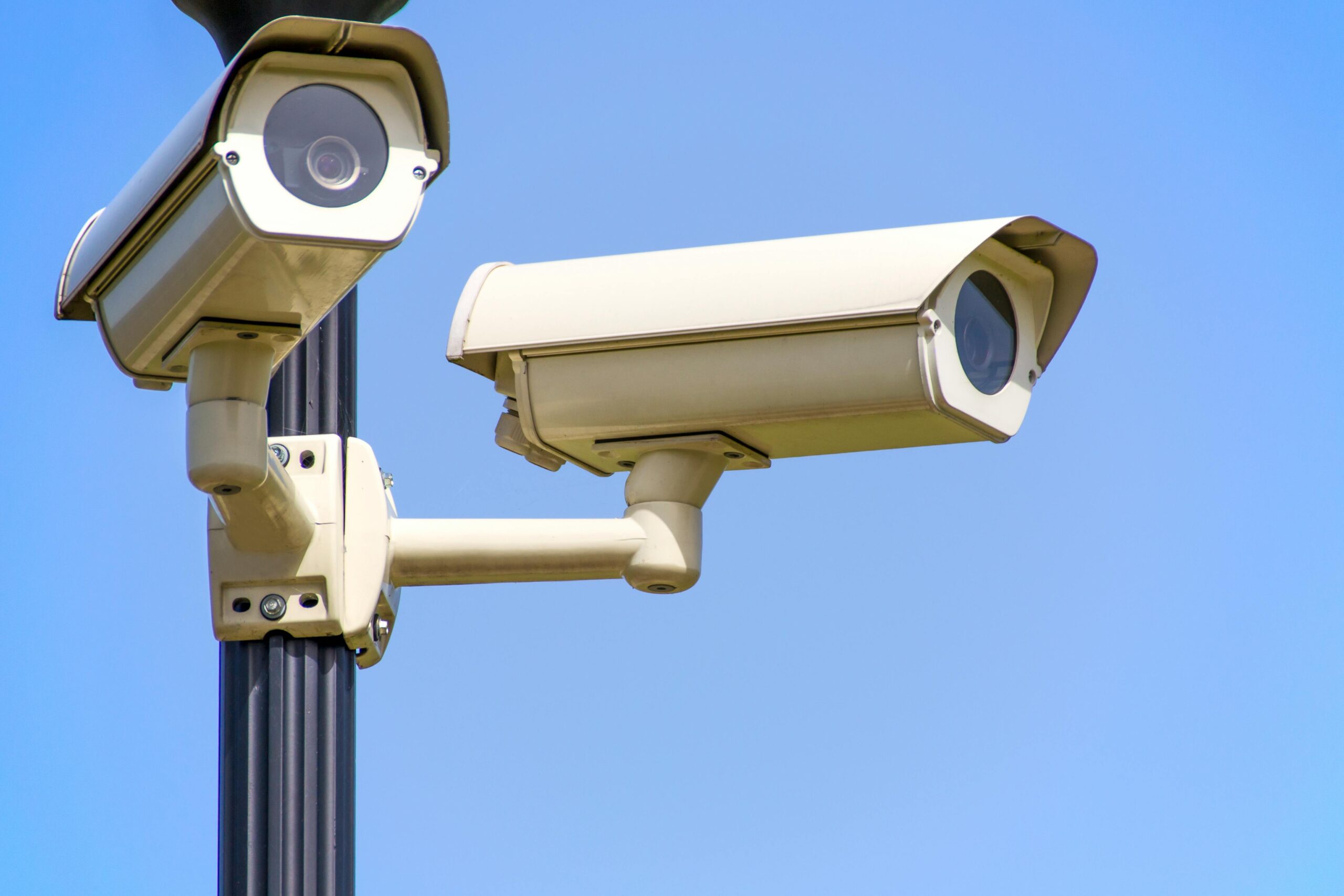
What Is an Alarm with Camera for Homes and Businesses?
If you are wondering what is an alarm with camera, the simple answer is that it is a security system that combines intrusion detection with visual verification. It does not simply send an alert: it also helps you understand what is happening through images or video, provided that the system has been correctly designed for the property. In homes, businesses and residential communities, this combination improves decision-making, helps reduce false alarms and strengthens the protection of entrances, interiors and vulnerable perimeters.
At Vian Segur, security solutions are based on professional alarms, CCTV cameras and integrated systems that are tailored to the real needs of each space. A camera does not replace an alarm, and an alarm does not always include visual verification. The best result comes from studying the risk, defining the critical points and combining the right devices to achieve reliable, practical and long-lasting protection.
Quick definition and how it works
An alarm with camera is a system that includes detectors, a control panel, warning devices and image-capturing equipment. When it detects an opening, movement or attempted intrusion, it generates a signal and allows images related to the event to be reviewed. Depending on the configuration, this visual check can be carried out from a mobile app, a recorder, a management platform or a professional alarm receiving center.
Its operation is based on three stages: detect, communicate and verify. First, sensors identify unusual activity. Then, the system transmits the alert to authorized users or to the monitoring protocol that has been defined for the installation. Finally, the cameras provide context, making it easier to assess whether there is a real intrusion, an accidental trigger, a pet, an exterior movement or a technical incident.
This solution can be installed indoors, outdoors or in both areas. In an apartment, it is common to protect the main door, corridors and passageways. In a detached house, it can be combined with perimeter detection and external cameras. In a business, it is usually valuable around entrances, counters, storerooms, cash desks, loading areas and spaces where valuable goods are kept.
Detection, image and alert
Detection identifies the risk. It may be performed by magnetic contacts, motion detectors, outdoor sensors, barriers or devices selected for each vulnerable point. The image provides context because it shows what happened in the protected area. The alert connects the full system with the user, the alarm receiving center or the response protocol defined for that installation.
Effectiveness does not depend on installing more devices. Too many poorly placed elements can create blind spots, unnecessary alerts or technical problems. The important decisions are which cameras are needed, which angle they must cover, which areas must not be recorded and how the image is integrated with the rest of the security system.
Difference between an alarm with camera and CCTV
Although they are often used together, they are not the same. A CCTV system is designed for video surveillance, live monitoring and recording. An alarm focuses on detecting an intrusion or incident and generating an alert. When the two solutions are integrated, protection improves because an alarm event can be supported by useful visual information.
The practical difference lies in the main objective. CCTV observes and records. An alarm detects and activates a response. When both systems work together, the property gains better control because the user does not rely only on a siren or notification: the event can be visually checked and the right action can be taken.
| Solution | Main function | Recommended use |
|---|---|---|
| Alarm | Detect intrusions, tampering or incidents and transmit alerts. | Homes, businesses, offices, warehouses and properties requiring fast response. |
| CCTV cameras | View, record and supervise indoor, outdoor or perimeter areas. | Communities, shops, garages, entrances, perimeters and control areas. |
| Integrated system | Combine detection and visual verification for better decisions. | Properties looking for comprehensive protection and centralized management. |
Camera types that can be integrated
The right camera depends on the environment, distance, lighting, level of detail and purpose of the installation. A camera for a residential garage is not the same as an indoor camera for a shop or an outdoor camera protecting the perimeter of a house. A preliminary study avoids blind spots, unnecessary recordings and equipment that does not match the real risk.
Indoor cameras
Indoor cameras are useful in passageways, entrances, corridors, storage areas, offices and spaces where a detection must be visually checked. In homes, they are usually installed discreetly and configured around daily use. In businesses, they help monitor critical areas without disrupting normal activity.
Outdoor cameras
Outdoor cameras must withstand weather conditions and be positioned carefully. In detached homes or townhouses, they can be combined with a perimeter alarm to detect an intrusion before the person reaches the interior. In companies and communities, they are often used at entrances, parking areas and external perimeters.
Night vision, dome and zoom cameras
Some spaces require night vision, motorized domes, zoom or higher resolution. These options are useful when there are large areas, changing light conditions or a need to identify details more precisely. Professional installation helps choose the right equipment without adding unnecessary technology.
When this solution is recommended
This installation is worth considering when an alert alone is not enough and visual confirmation is needed. It is also recommended when a property is empty for long periods, when there are vulnerable access points, when valuable goods are present or when the user wants remote control with more information from the system.
- In apartments or second homes, it can strengthen the security of the main entrance and indoor areas.
- In detached houses and townhouses, it helps protect outdoor access points, gardens, garages and entry routes.
- In businesses, shops and warehouses, it facilitates verification around entrances, stockrooms, cash desks, loading docks and sensitive areas.
- In residential communities and garages, CCTV provides continuous supervision and can complement other security systems according to the building characteristics.
No two properties need the same level of protection. A ground-floor apartment with a terrace, a house with large windows, a jeweler, a pharmacy, an industrial warehouse and a residential community all present different risks. Before choosing a system, entrances, schedules, user habits, lighting, network coverage, internet connection and maintenance requirements should be reviewed.
Benefits for homes, businesses and communities
The main benefit is the ability to check an alert visually. A notification without images can raise doubts: it is not always clear whether someone has entered, whether a detector was triggered accidentally or whether the issue is technical. With visual support, the user or the corresponding service can act with better information.
- A stronger deterrent effect when devices are properly installed and the property shows professional protection.
- Visual verification of events to understand each alarm trigger more accurately.
- Remote control from a mobile device to review alerts, connection status and recordings where the system allows it.
- The possibility of integrating cameras, detectors, sirens, communication and maintenance in one coherent solution.
- Better adaptation to different spaces, from apartments to businesses with higher security requirements.
Remote management can make daily use much easier, because the user can control the system, receive alerts and view live or recorded images where the installation includes this option. This convenience must always be supported by proper design, programming and maintenance, so that the system remains reliable over time.
Key points before choosing a system
Before installing, several technical aspects should be reviewed. The first is where cameras and detectors will be placed. A poorly positioned camera can record unnecessary areas or fail to cover the real risk point. A poorly located detector can create false alarms or fail to detect an event in time. The second point is communication: the system must be able to transmit alerts reliably.
For this reason, dual communication is valuable in professional installations. Combining routes such as LAN and mobile communication helps maintain transmission if one channel fails. In systems where continuity is critical, this redundancy reduces the risk of being left without communication because of a network cut, technical failure or sabotage.
It is also important to decide whether a fully or partially wired installation is recommended. Wired alarms offer stability and reduce problems caused by interference. In other cases, a mixed solution may be sufficient. The decision depends on the property, available cabling, critical points and expected security level.
Privacy and recording areas
Video surveillance should be designed proportionally. In Spain, the AEPD states that images of public roads should not be captured for security purposes unless it is essential or impossible to avoid because of camera location, and unnecessary data processing must be avoided. Cameras must not be installed in bathrooms, changing rooms or similar areas. In businesses, communities and spaces where third parties may pass, information notices and proper configuration are essential.
Alarm receiving center and maintenance
When a system is connected to an alarm receiving center, installation and maintenance must be aligned with private security regulations. The Spanish Private Security Law 5/2014 includes the installation and maintenance of security systems connected to alarm receiving centers or control centers within private security activities. This reinforces the importance of using specialized professionals and preventive maintenance.
How an effective installation is designed
Design starts with a visit or security study of the property. During this phase, entrances, vulnerable areas, schedules, risks and user habits are identified. The goal is not to place cameras everywhere, but to protect the areas that truly affect security. A professional study also helps decide whether external sirens, perimeter sensors, indoor detectors, recording, visual verification or monitoring should be included.
- Analyze entrances and critical points of the property.
- Define detection zones and camera fields of view.
- Select the main and backup communication channels, especially in dual-communication installations.
- Configure the system for practical daily use and fewer false alarms.
- Program the system, test it, explain its use and plan maintenance.
A good installation does not end on the day it is commissioned. Security systems need periodic checks to review cameras, recorders, detectors, batteries, wiring, communication and configuration. Maintenance prevents incidents and helps the system respond correctly when a real situation occurs.
Comparison by property type
| Property | Common risk | Recommended configuration |
|---|---|---|
| Apartment | Main entrance, accessible windows, periods of absence. | Indoor detection, camera in a passage area, remote control and monitoring where appropriate. |
| Detached house | Perimeter, garden, garage and exterior access points. | Perimeter protection, outdoor cameras, dual communication and partial arming zones. |
| Shop | Entrance, cash desk, storeroom and valuable goods. | Connected alarm, CCTV, visual verification and periodic maintenance. |
| Company or warehouse | Loading docks, offices, perimeter, machinery and goods. | Integrated system with cameras, detection, zone control and redundant communication. |
Common installation mistakes
A common mistake is assuming that any mobile-connected camera is equivalent to a professional security system. A standalone camera may be useful for observation, but it does not always detect, communicate, verify or activate a response protocol. It may also depend on an unstable connection or be placed away from the real risk point.
Another mistake is installing cameras without assessing privacy, lighting or maintenance. An outdoor camera without proper protection can deteriorate; an indoor camera pointed in the wrong direction can affect areas it should not record; a camera with insufficient lighting may not provide useful information. In security, planning is as important as the device itself.
Communication backup should also be considered. In a professional installation, combining LAN alarms, mobile communication and other systems adapts alert transmission to each case. If the property has a high risk level or is subject to specific requirements, it may be necessary to consider a Grade 3 alarm.
Integration with advanced solutions
A camera-based installation can be part of a broader system. In businesses with high-value goods, for example, a fog alarm adds an active response by reducing the intruder’s visibility in seconds. In detached homes, perimeter protection helps detect an attempt before the intruder enters. In companies, the combination of CCTV, zone control and redundant communication improves overall control of the property.
Integration ensures that security is managed as one coherent solution, not as isolated devices that do not communicate with one another. This makes daily use easier, simplifies maintenance and ensures that each element has a clear purpose within the system.
Frequently asked questions
What is an alarm with camera?
It is a system that combines detection devices with cameras to visually verify an incident. The alarm detects the event, transmits the alert and the image helps assess what is happening before action is taken.
Can a WiFi camera work as an alarm?
A WiFi camera may send alerts or allow remote viewing, but it is not always equivalent to a professional alarm system. The difference lies in detection, communication, configuration, monitoring and maintenance.
Do I need indoor and outdoor cameras?
It depends on the property. In an apartment, strategic indoor areas may be enough. In a detached house, business or warehouse, outdoor cameras, perimeter protection or specific verification zones may be recommended.
Can it be connected to an alarm receiving center?
Yes, provided that the system is designed for that purpose and installed in line with the applicable regulations. Connection to a receiving center allows professional supervision and signal management according to established protocols.
Does Vian Segur install tailored systems?
Yes. Vian Segur studies the property characteristics and proposes tailored solutions in alarms, CCTV, communication and maintenance. You can request advice through the We will call you page.
Request a tailored security study
If you are considering an alarm and video surveillance solution, the first step is to review your property and define which areas require real protection. Vian Segur can help you choose a proportionate, reliable and easy-to-use system, combining professional alarms, cameras, dual communication and maintenance according to your needs.
You can contact Vian Segur to receive personalized advice and a no-obligation proposal. The goal is for the installation to match your home, business or community, with no unnecessary equipment and with a configuration designed to protect your assets every day.
Sorry, the comment form is closed at this time.