

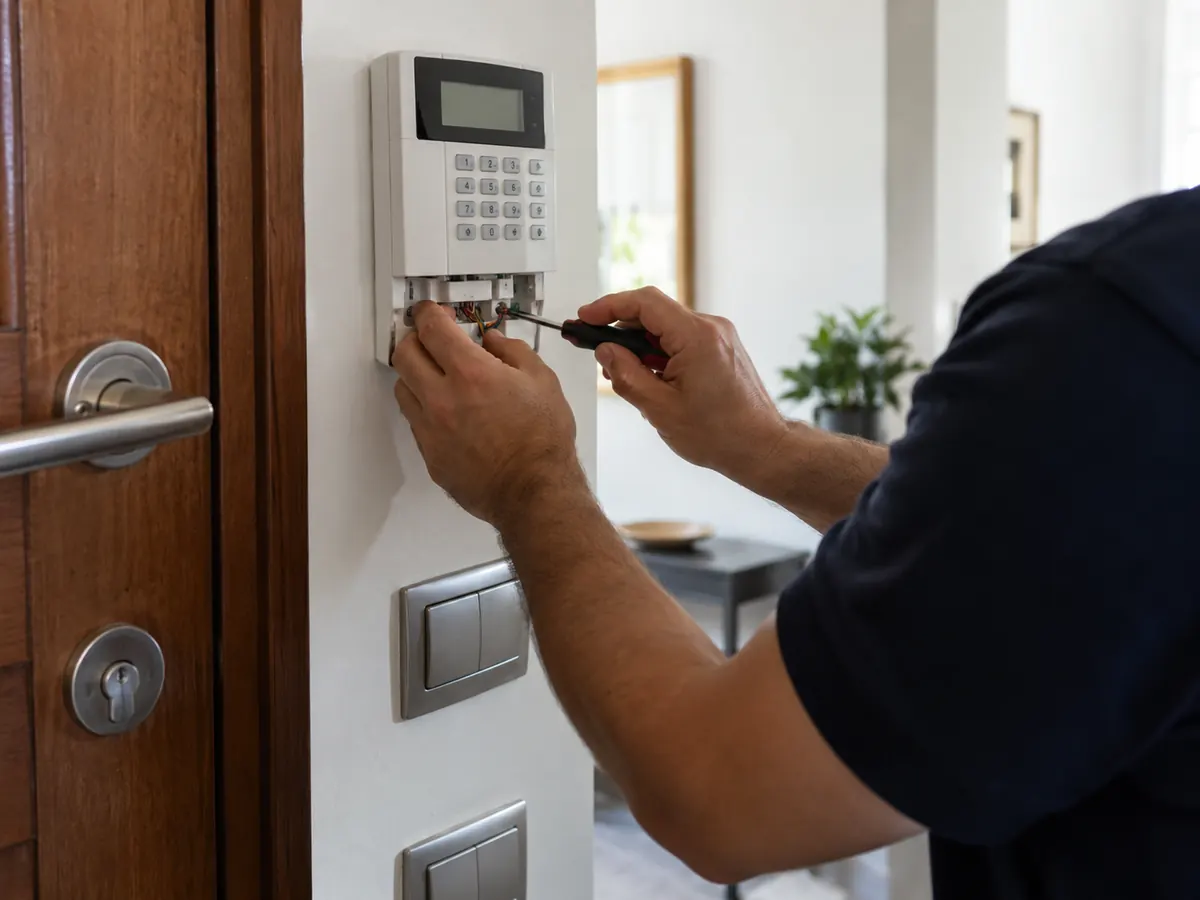
Garage alarms in Madrid need to be designed with a different approach from a standard home alarm, because they protect wide entrances, parking
spaces, storage rooms, corridors and, in many cases, shared areas used by several people. At Vian Segur, security starts with a prior study of the
property to assess the real risk, the layout of the garage and the most effective way to detect an intrusion before the situation escalates.
A garage may look like a secondary area, but it often contains valuable assets and vulnerable points: vehicles, bicycles, tools, automatic doors,
technical rooms, pedestrian entrances and direct access to homes, offices or residential communities. That is why a well-designed alarm is not just a
matter of placing detectors. It must combine technology, strategic positioning, maintenance and ease of use so the system remains active when it is
really needed.

Every garage is used in a different way. A private garage in a single-family house is not the same as a shared car park with several entrances, a
company garage, a basement with storage rooms or a parking area inside a residential complex. In some cases, the priority is to control a single
access point. In others, it is better to divide the system into zones, add video surveillance or reinforce doors, ramps and internal routes.
The starting point should always be a study of the space. It is important to assess how many entrances exist, which areas are hidden from the
street, whether the garage connects directly with the home, how the main door opens, where the storage rooms are located and which points allow
someone to remain unseen. With this information, the security solution can be proportionate, avoiding unnecessary equipment while covering the real
weak spots.
Vian Segur gives priority to professional installation, avoiding blind spots and adapting each system to the property. This is especially important
in garages, where poor placement of sensors or cameras may cause false alarms, leave dark areas unprotected or make it difficult to verify an
alert.
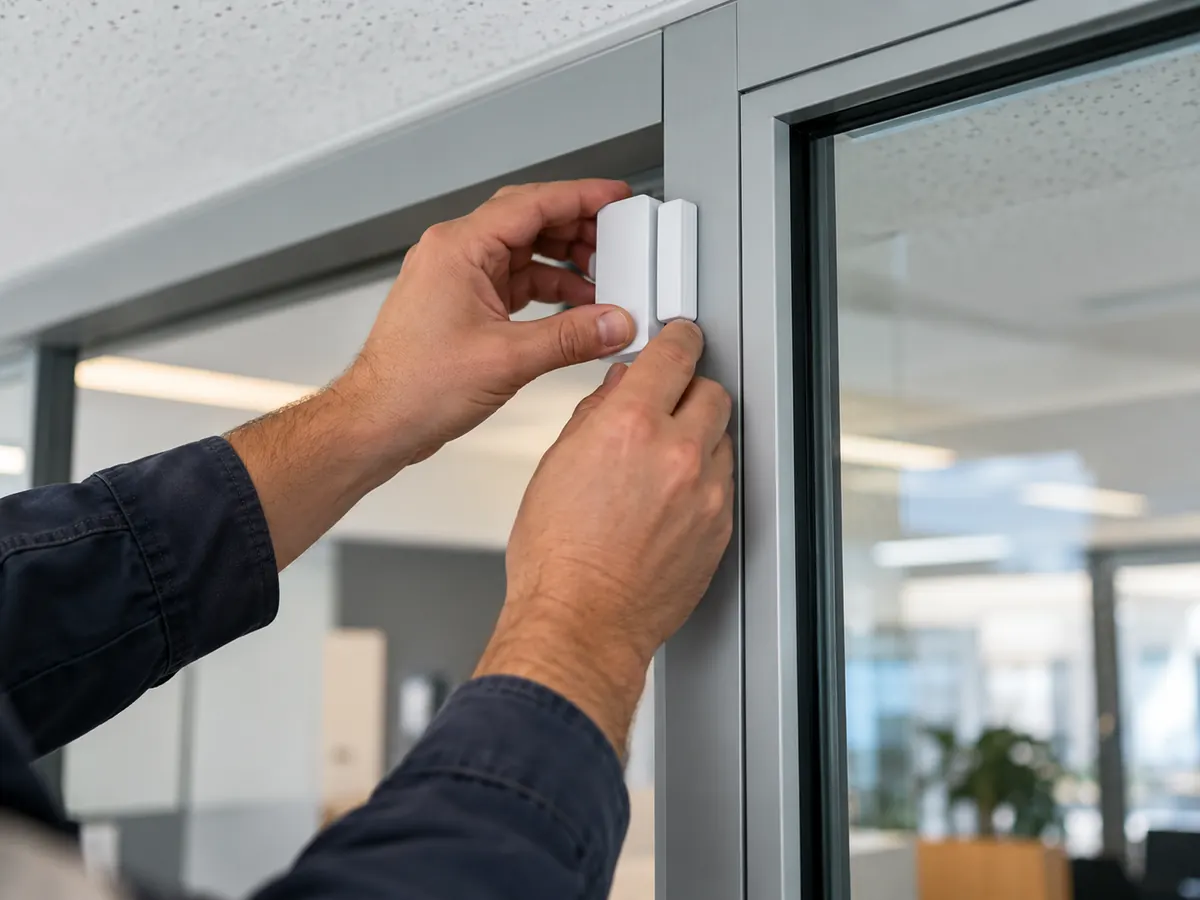
An effective project should cover three goals: detection, communication and an organised response. Detection identifies openings, movement or
tampering. Communication sends alerts to the user and, when appropriate, to an alarm receiving centre. The response depends on how the system is
configured, how the alert is verified and what complementary measures have been installed.
For garage alarms in Madrid, these goals often require a combination of elements. Motion detectors can be installed in passage areas, magnetic
contacts on doors, internal or external sirens, keypads, remotes, GSM/LAN communication, CCTV cameras and, in specific environments, perimeter
protection or fog security. The key is to choose each device according to its function, not simply to add more devices.
The garage door, pedestrian accesses, internal stairways and corridors leading to storage rooms are critical points. A poorly positioned sensor may
detect too late or register movements that do not represent a real threat. That is why angles, lighting, obstacles, installation height and normal
movement patterns should be reviewed before the system is installed.
In a private garage connected to a home, the alarm can be coordinated with the main house system so that the access from the garage is protected
within the same installation. In a shared or company garage, it may be better to separate zones and permissions so daily use does not require the
entire system to be disarmed.
Communication is as important as detection. If an alarm detects an intrusion but cannot transmit the alert because of a network failure, power cut
or sabotage attempt, the system loses effectiveness. That is why Vian Segur works with dual communication solutions, combining options such as LAN and GSM to improve continuity.
In garages, where mobile coverage can vary depending on the basement level or the structure of the building, the signal quality and equipment
location should be checked before the design is finalised. The installation should be based on real tests inside the property, not on assumptions.
Remote management allows the system to be armed and disarmed, alerts to be received and the installation status to be checked from a mobile phone.
This is useful when the garage is used at different times, when several authorised users need access or when the owner wants to quickly confirm
whether the alarm is active.
Technology should make daily use easier. An alarm that is too complicated often ends up disconnected; a well-configured alarm becomes part of the
owner’s, community’s or company’s routine. That is why permissions, schedules, zones and arming modes should be defined from the beginning.
The best system depends on the type of space, the level of risk and the installation possibilities. In some garages, a wired solution is
recommended because of its stability. In others, a hybrid installation makes it possible to combine cable and wireless devices. There are also cases
where video surveillance or perimeter protection adds an important extra layer.
| Type of garage | Common risk | Recommended solution |
|---|---|---|
| Private home garage | Access to the house, tools, vehicle and automatic door | Alarm integrated with the home, access sensors, dual path and remote alerts |
| Shared residential garage | Several users, communal areas, storage rooms and pedestrian entrances | Zone-based design, CCTV, signage and periodic maintenance |
| Company garage | Professional vehicles, goods, keys or work equipment | Wired or hybrid alarm, cameras, access control and possible ARC connection |
| Garage in a detached or semi-detached house | Outdoor access, garden, side door and connection with the home | Interior alarm, perimeter protection, cameras and GSM/LAN communication |
Wired alarms are a very solid option when the property allows cable to be installed
discreetly or when a prepared installation already exists. In garages, wiring can be especially useful because it provides stable communication
between devices and reduces dependence on batteries.
This type of system is suitable for refurbishments, company garages, communities seeking a durable installation or spaces where technical incidents
must be reduced. It can also be integrated with other security solutions to reinforce entrances, corridors and storage room areas.
Not every garage allows a fully wired installation. Some areas may be difficult, expensive or impractical to cable. In these cases, a hybrid
approach allows wired elements to be used at critical points while wireless devices cover specific locations.
This solution is useful when expanding an existing installation, protecting storage rooms, adding sensors to secondary doors or reinforcing areas
where construction work is not worthwhile. The key is for everything to work as a single system, with coherent zones, clear alerts and controlled
maintenance.
CCTV cameras are very useful in garages because they allow entrances, ramps, corridors and communal areas
to be supervised. Video surveillance does not replace the alarm, but it can complement detection and help verify what happened when an alert is
triggered.
In communities and shared garages, camera installation should be planned with privacy and signage in mind. The Spanish Data Protection Agency
provides specific guidance on video surveillance, garages, owners’ communities and information signs, so the system should be designed in line with
the applicable rules and without capturing areas that should not be recorded.
When the garage belongs to a detached house, semi-detached house or plot with outdoor access, a perimeter alarm can help detect before the intruder reaches the internal door. This layer is
especially useful on ramps, fences, garden areas, side doors and secondary entrances.
Early detection increases the ability to react and can reduce the amount of time the property is exposed. In this type of project, perimeter
protection, interior alarm and cameras should be coordinated so the system does not work as separate pieces.

When a security system is connected to an alarm receiving centre, installation and maintenance must follow the private security rules that apply in
Spain. The Ministry of the Interior states that installation should be carried out by a registered security company, with approved equipment, an
installation certificate and preventive checks where required.
An ARC connection allows alerts to be received, verified and handled according to established procedures. In certain cases, verification can be
supported by technical signals, system events or images when the design allows it. For a company garage, a community with many parking spaces or a
property with valuable assets, this should be assessed from the initial study.
Maintenance is just as important as installation. A system can be well designed and still lose effectiveness if sensors, batteries, cameras,
communication paths, sirens and settings are not reviewed. Vian Segur highlights the role of an assigned technician and annual maintenance as part of
its service, which provides continuity and knowledge of the property.
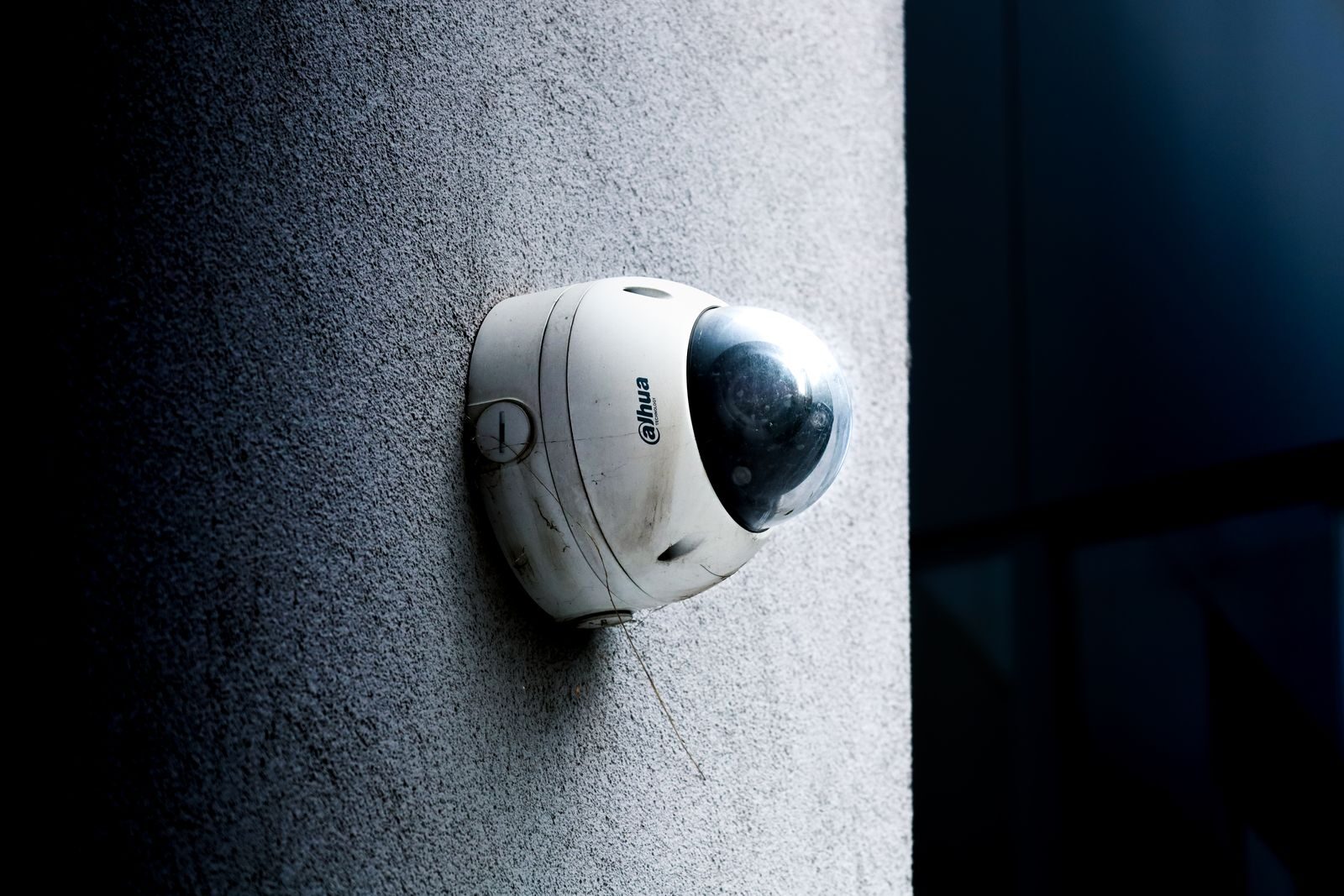
Installing an alarm in a garage should not begin by choosing a closed kit. It should begin with a technical visit and a study of the property.
During that review, access points, hidden areas, signal coverage, user needs, power points, wiring possibilities, camera locations and alert
management are assessed.
The system is then designed: which sensors are installed, how the zones are divided, where cameras or sirens are placed, which communication path
is used and how the system is programmed. Correct programming helps avoid false alarms, improves the user experience and makes future maintenance
easier.
Vian Segur works with alarm systems adapted to homes, businesses and communities. The system can also
be combined with other security services such as fog security in higher-risk environments or
Grade 3 alarms when the type of activity requires it.
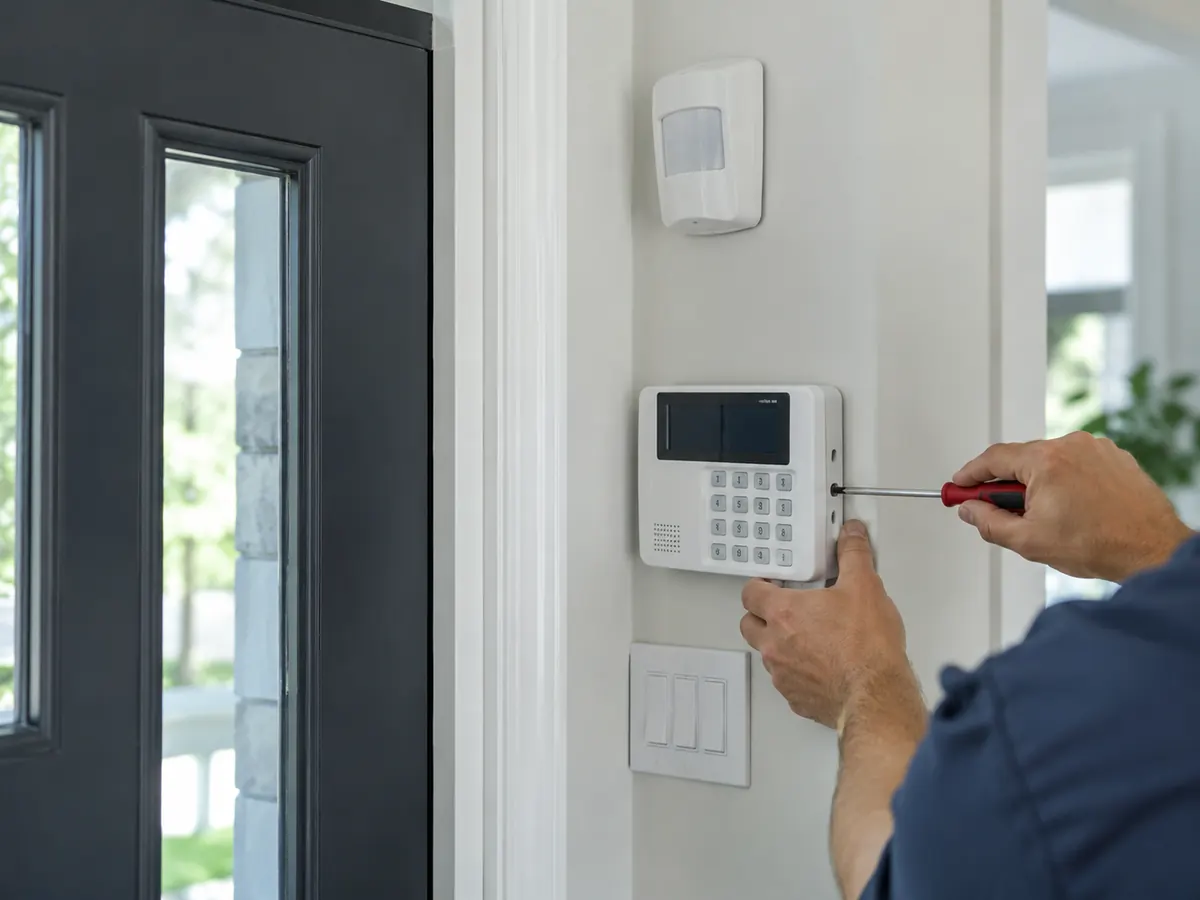
Avoiding these mistakes helps garage alarms in Madrid work more reliably. A professional system should be designed for the real property, not for a
generic plan. It must protect what matters, transmit alerts correctly and remain simple for authorised users to operate.

The cost of a garage alarm depends on several factors: number of access points, surface area, whether it is private or shared, need for cameras,
type of communication, possibility of wiring, ARC connection, maintenance and required security level. This is why it is not advisable to compare only
the initial price without checking what each proposal includes.
A small private garage may only need a simple configuration, while a community or company may require several detection points, video recording,
user management and planned maintenance. The proposal should explain what is installed, why it is installed and how it will be reviewed over time.
For an accurate assessment, the best step is to request a personalised study. You can use the We call
you page so the team can review the case and propose a tailored security solution.
| User need | Internal resource | When to link it |
|---|---|---|
| General security solutions | Alarms | When explaining the base of the system |
| Stable installation | Wired alarms | When discussing refurbished or company garages |
| Reliable communication | Dual communication path | When explaining GSM/LAN and continuity |
| Visual control | CCTV cameras | When discussing entrances, ramps and communal areas |
| Outdoor detection | Perimeter alarm | For detached houses, semi-detached houses and exterior access |
In a residential community, entrances, ramps, portals, storage rooms and communal areas should be assessed. A common solution combines detection,
CCTV, signage, user management and maintenance. The configuration should be approved and used in an organised way to avoid incidents and respect
privacy.
Not always. A camera helps view and record, but an alarm detects, sends alerts and can trigger a response. In many garages, the best solution
combines sensors, reliable communication and video surveillance to improve verification.
Yes, but the design must respect the surrounding environment and communal areas. If cameras are added, it is necessary to review what is captured,
provide the correct information and avoid recording third-party spaces without a legitimate basis.
It provides continuity in communication. If one path fails, the system can continue transmitting through another. In garages located in basements,
coverage and connection should be checked before installation.
Yes. Sensors, batteries, communications, cameras, sirens and zone configuration should be reviewed. Maintenance helps prevent failures and keeps
the installation ready to respond to an incident.
We will survey your property and propose a solution tailored to its entry points, exposure and real use.